
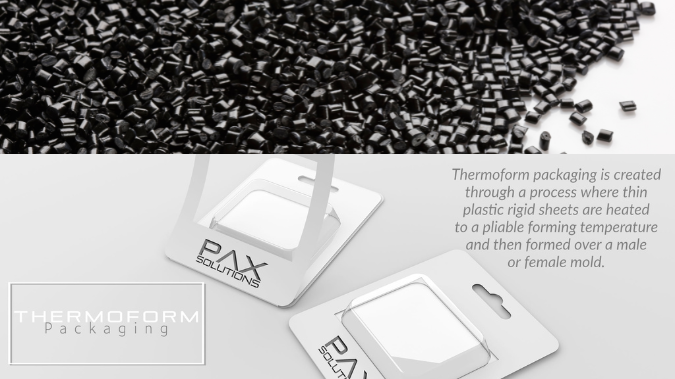
Thermoform packaging has become an indispensable solution for businesses needing custom protective packaging. To understand the scale of its use, the global market for thermoformed plastics was valued at USD 54.2 billion in 2024 with a projected market size of USD 88.2 billion by 2035. Based on a market report for 2024, this manufacturing process transforms flat plastic sheets into precisely shaped containers, trays, and clamshells that protect products during shipping and enhance retail presentation.
This versatile solution offers numerous options for different industries, product types, and specific packaging requirements. The Thermoform Packaging process offers unique advantages for many different packaging applications and might just be the perfect solution for your next project. Understanding how thermoforming works can help you determine if this solution fits your packaging needs.
What is Thermoform Packaging?
Thermoform Packaging starts with heating a thermoplastic sheet until it is soft and malleable. The heated material is then stretched across a single-sided mold and shaped using either mechanical force or vacuum pressure. This creates custom shaped packaging that conforms exactly to your product’s dimensions.
The molds are typically made from aluminum for durability and precision. However, 3D printed molds have gained popularity for prototype development and smaller production runs. Once the plastic cools, you have a finished package designed specifically for your product.
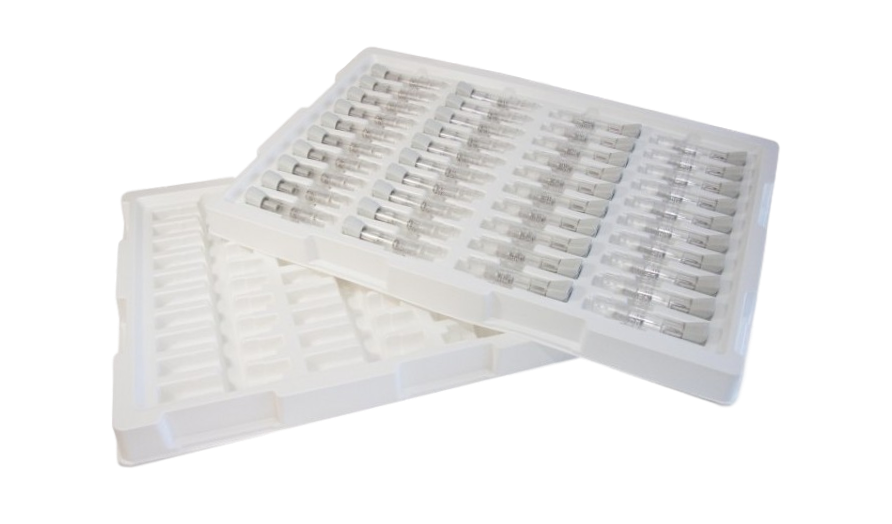
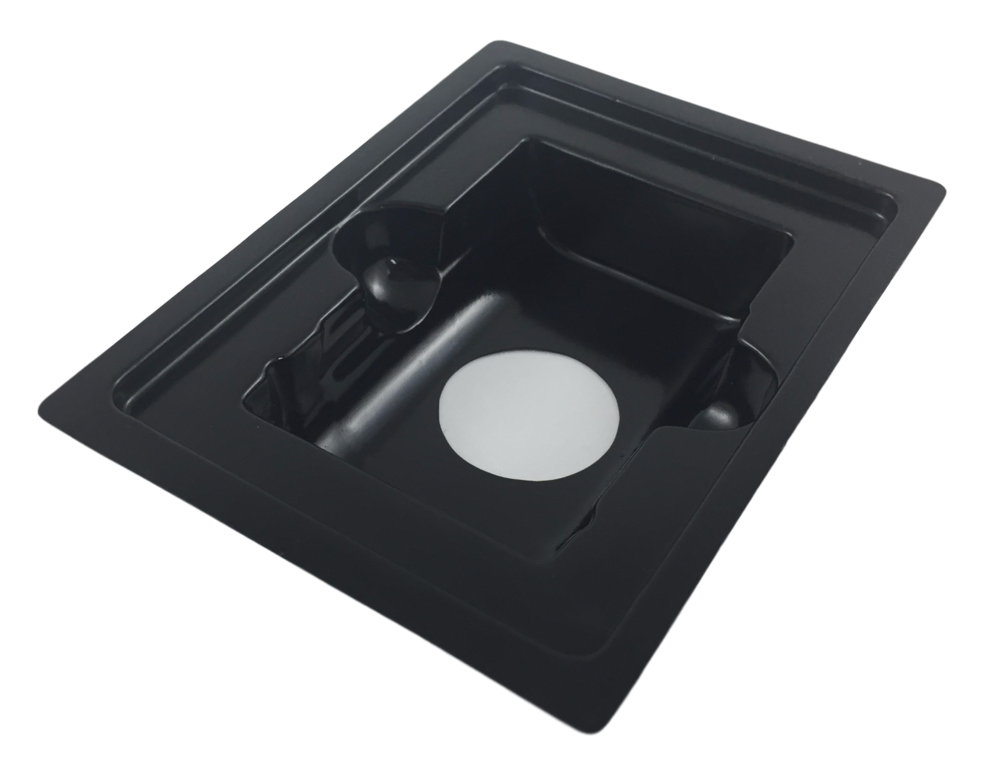
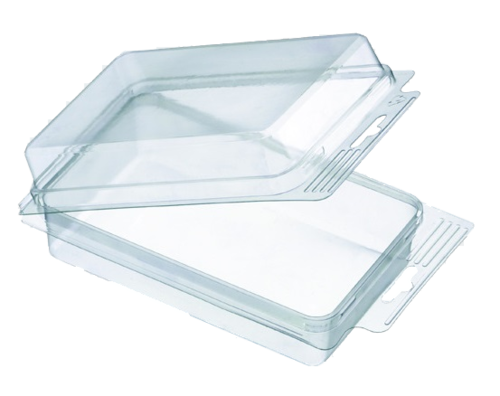
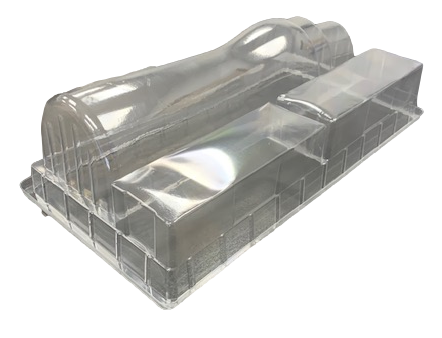
Thermoform Packaging includes a wide range of formats, from simple trays that cradle products, to complex clamshell designs that fully enclose items. These packages can be transparent for product visibility or colored to match brand requirements. The process can create packaging with multiple compartments, integrated handles, or special features like tamper-evident seals.
Two Main Thermoforming Methods
Mechanical Thermoforming
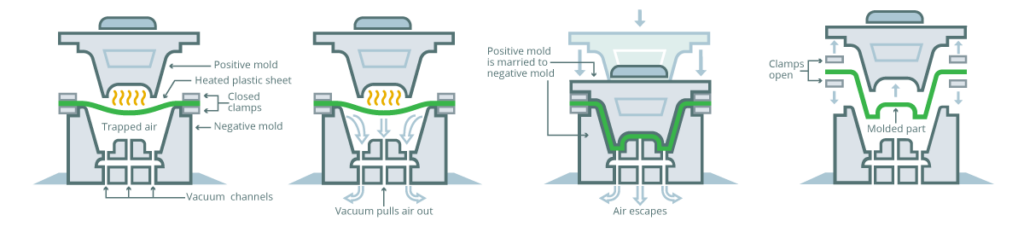
Mechanical thermoforming uses a positive mold that presses into the heated plastic sheet. The force creates a negative space that becomes the final package shape. This method works well for deeper packages and provides excellent detail reproduction.
Pressure Thermoforming
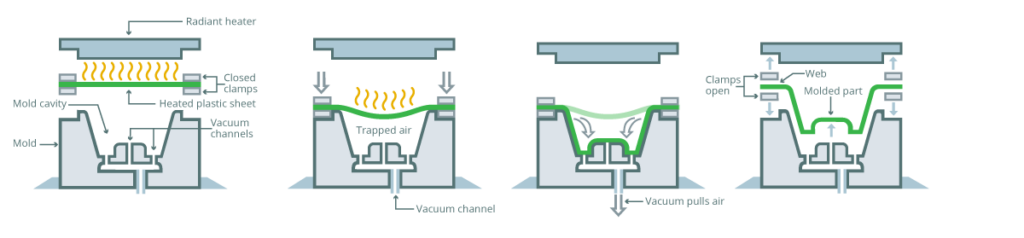
Pressure thermoforming, also called vacuum forming, uses negative pressure to pull the heated plastic into the mold cavity. This method creates consistent wall thickness and works efficiently for high-volume production runs.
Benefits of Thermoform Packaging Solutions
Thermoformed packaging provides several key advantages over traditional packaging methods. The process creates highly customized solutions that protect products better than generic containers.
Custom Protection
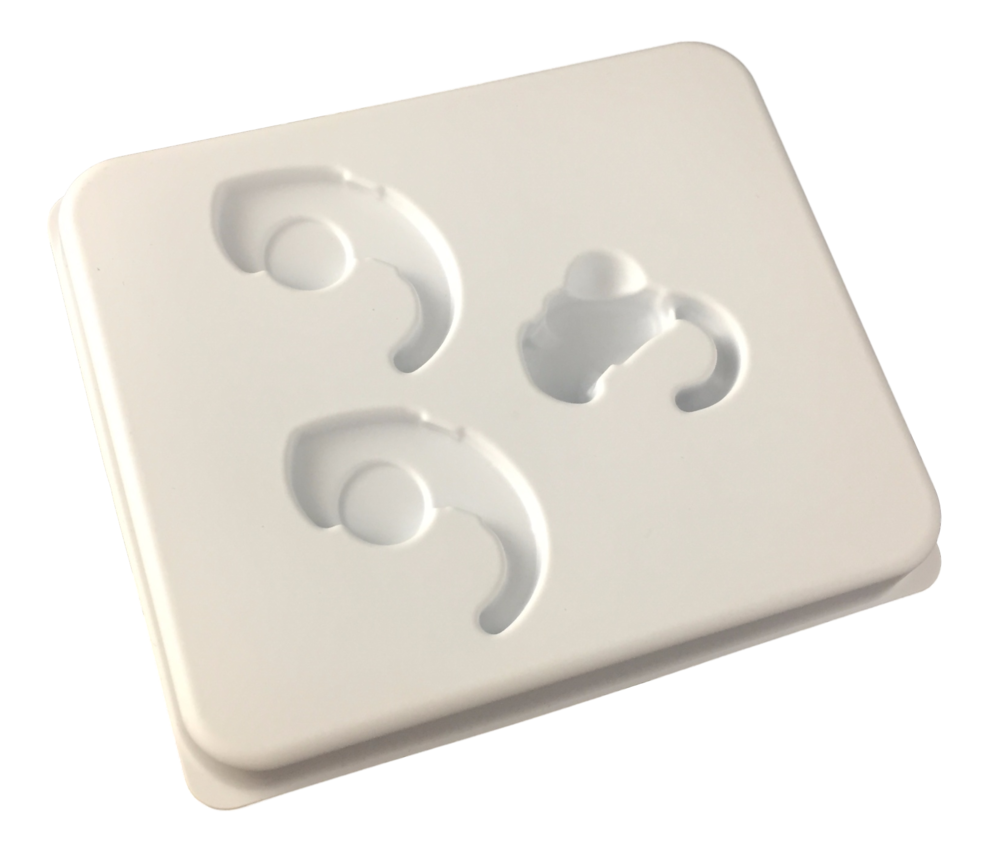
Thermoform clamshells and trays can be designed with specific clearance areas for fragile components. This prevents damage during shipping and handling. Products that could puncture soft packaging or get crushed in standard boxes travel safely in custom thermoformed containers.
Product Visibility
Clear thermoformed packaging allows customers to see your product without opening the package. This visibility helps with retail sales when customers need to examine the product before purchasing. The transparency builds trust and reduces returns.
Retail Features
Thermoformed tray designs can include hang holes for peg board displays or formed feet for stable shelf standing. These features give you flexible retail merchandising options without additional packaging components.
Sustainability and Recycling
Thermoform packaging is a component of the circular economy. For example, recycling of PET materials used for thermoforming is on the rise. In 2022, 207 million pounds of postconsumer PET thermoforms collected in the U.S. and Canada, which represented a 10% increase over amounts collected in 2021. This recycled material is then used to create new packaging, which reduces waste and the need for virgin plastic.
Industries Using Thermoform Packaging
Multiple industries rely on thermoformed packaging for product protection and presentation:
- Food and beverage companies use it for fresh produce, baked goods, and prepared meals
- Medical device manufacturers need sterile, custom-fitted packaging
- Cosmetics brands use clear packaging to showcase products
- Electronics companies protect sensitive components during shipping
- Confectionery producers display candy and chocolates attractively
Each industry benefits from the custom nature of the thermoforming process and the ability to choose appropriate materials for their specific requirements.
Materials Available for Thermoforming
There are over 14 different types of plastic and plastic subcategories that can be used for thermoforming and each one is best for different applications. Different materials offer the following combination of qualities. The application in which you use thermoform packaging will determine which of these properties are best suited for your project.
- Stiffness
- Harness
- Impact Strength
- Flame Retardant
- Chemical Resistance
- Moisture and Oxygen Barrier
- Moisture and Oxygen Ingress
- Clarity
- Moldability
- Price
- Electrical Resistance
- Heat Resistance
- Recyclability
- Ability to Withstand Sterilization Processes
- Anti-static

Cost Considerations
Thermoforming offers economic advantages for medium to high-volume production. Initial tooling costs are lower than injection molding, making it cost-effective for seasonal products or testing new package designs.
Material waste is minimal since excess plastic can often be recycled back into the process. This efficiency helps control ongoing production costs.
Getting Started with Thermoform Packaging
Choosing the right thermoform packaging solution requires understanding your product’s protection needs, retail requirements, and production volumes. Working with an experienced packaging solutions provider helps ensure you get the optimal design and material selection.
Consider factors like product weight, fragility, shipping methods, and retail display requirements. These details determine the best thermoforming approach and material choices for your specific application.
For businesses looking to move away from overseas suppliers, domestic thermoform packaging offers supply chain reliability and quality control advantages.
But wait... There's More!
Visit our thermoform packaging page for an in-depth review of thermoform packaging and materials available. Read through descriptions of the available materials, and discover the best material and shape for your application or industry.
When you’re ready, contact PAX Solutions to help you find the perfect solution for your business today!
@pax.solutions There are many different options when it comes to thermoforming. Watch below to see the different style, size, and color options. #thermoforming #packaging #tray
♬ original sound - pax.solutions