
Packaging print matters. Good print elevates a folding carton, POP display, or mailer from plain to professional. There are many different Printing Methods for Packaging that you can use to achieve your desired look. How do you decide which method is best to use? There are three primary methods – Lithography, Flexography, and Digital Print. In this article, I will walk you through each printing method’s pros and cons so you can choose what is best for your needs.
Check out our photo gallery to see some examples of print for packaging we have done.
Flexographic Printing
How it works:
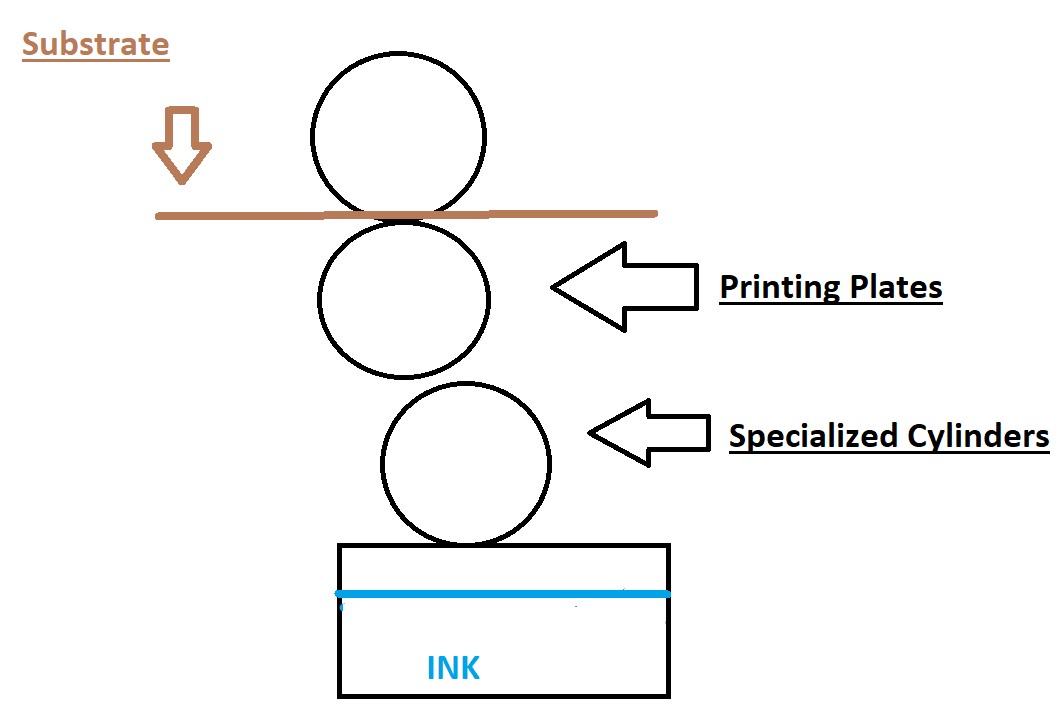
In simple terms, you can think of Flexographic or “Flexo” printing like a giant rubber stamp. This print design method uses flexible printing plates that are wrapped around specialized cylinders. These cylinders pick up the ink and apply it to the printing medium or “substrate”. The printing plates have a raised image embedded on them and as the substrate moves through the machine the printing plates then transfer or “stamp” the image with quick drying ink onto the substrate. Each printing plate has its own color, so as the substrate continues through the machine across multiple printing plates, more colors get added. Once the machine is set up, the process can move very quickly which makes this a very efficient printing method for high volume jobs.
Advantages:
High-speed production
Prints directly on unique substrates
Ideal for large volumes and repeat designs
Supports continuous pattern printing
Disadvantages:
High initial setup cost
New plate required for each color
Less cost-effective for small batches
Best use cases:
Flexo is ideal for large-scale packaging runs, especially when printing on unique materials like corrugated board, films, or labels. Not a good choice for designs needing frequent changes or multiple print versions. On custom corrugated packaging, flexo is a common choice for logos, text, and jobs that run one or several colors.

Lithographic Printing
How it works:
Lithography uses a mix of oil-based ink and water to apply an image to a substrate. The ink and water are combined on a metal “printing plate” first to get the initial coloring and pattern down. Then, the image is transferred to a synthetic rubber mat also known as the “rubber blanket” which applies the final design to the product. The rubber blanket does the actual printing onto the substrate in a continuous fashion. The result is a very crisp image that can be replicated quickly and accurately by re-applying ink and water to the metal print plate rather than the entire print die or “rubber blanket”.
Lithography typically only works for smooth, flat surfaces. If you have a surface that is coarse like corrugated, then an additional process called lithographic lamination is likely needed. With lithographic lamination, the image first gets applied to a liner board or paper, which is then attached to the corrugated. You can think of this like a high-end label for your corrugated product.

Advantages:
High-resolution, sharp images
Low-cost printing plates
Good for detailed graphics or premium branding
Supports foil, embossing, and other embellishments
Disadvantages:
Limited to smooth surfaces (unless laminated)
Setup costs are higher than digital
Susceptible to surface cracking on some substrates
Best use cases:
Lithography works well for high-end packaging, folding cartons, and any flat-surface application needing detailed artwork. Often used in retail-ready displays and consumer packaging.
Digital Printing
How it works:
Digital printing is one of the newer methods of printing. It works very similarly to the typical printer you would use in an office. The image is created digitally on a computer and with ink and heat the image gets printed directly onto the substrate. It doesn’t involve any printing plates or in-depth manufacturing processes. Print jobs can be changed on the fly with little additional cost. The overall printing does take longer because of the digital process, so this is more geared towards smaller runs or variable printing. This technology is continuously improving; some experts in the industry believe all print will eventually shift to digital.
Advantages:
Low setup cost
Quick turnaround
Easy to modify designs between runs
Best for short runs and test markets
Disadvantages:
Slower production speed
Limited finishing and embellishment options
Less price break for larger volumes
Best use cases:
Digital is suited for variable printing, short runs, and prototypes. It’s common for small-batch packaging, marketing materials, or seasonal promotions.
Which Printing Method Should You Use?
There’s no one-size-fits-all answer when it comes to Printing Methods for Packaging. It depends on your goals:
- High volume, same design? → Flexo
- Sharp graphics, premium feel? → Litho
- Short run, fast changes? → Digital
Modern packaging relies on decades of development in print methods and materials. If you’re curious how the industry evolved—from hand-carved blocks to automated presses—this timeline of printing history offers a concise overview.
Each project should be reviewed to determine the best Printing Methods for Packaging. Print projects can involve just one of these processes, or a combination depending on the scope and your needs. Evaluate the project priorities and determine which method would suit your project best. Contact PAX Solutions today for help with your next print project.
@pax.solutions Check out our recent video to see the difference between litho labeled corrugated shipping boxes and digitally printed boxes. Which print style do you prefer? #print #corrugated #shipping #custom
♬ original sound - pax.solutions
