

The most common question early in a packaging conversation is also the one most people answer too quickly: what packaging material is best for your product? The answer depends on more than preference. Your distribution channel, regulatory exposure, product fragility, and brand positioning all push you toward different formats, sometimes in opposite directions. A food brand and a cosmetics brand with identical box dimensions can need completely different substrates, coatings, and structural approaches.
This guide walks through four industries where material choice is frequently mishandled: food and beverage, medical and pharmaceutical, cosmetics and beauty, and ecommerce. For each, the right answer comes from understanding what the packaging actually needs to do, not just what looks good in a catalog.
Start With the Product, Not the Package
A common mistake is picking a package style before thinking through the product requirements.
Before choosing between corrugated, folding cartons, rigid boxes, flexible packaging, labels, foam, or thermoform trays, answer these questions:
- Is the product fragile?
- Is the product heavy?
- Will the package sit on a retail shelf?
- Will the product ship direct to the customer?
- Does the package touch food?
- Does the product need moisture, oxygen, grease, or light protection?
- Does the product need organization inside the box?
- Does the package need a premium look?
- Is sustainability a major goal?
- What quantity do you need?
- What budget range makes sense?
The right material should protect the product, support the brand, work with your supply chain, and fit your cost target.
What Packaging Material Is Best For Your Product: Common Packaging Materials
Before diving into industry specifics, it helps to have a working picture of the main material categories and where each one fits.
Corrugated is the workhorse. It handles shipping, storage, and secondary packaging across almost every industry. The fluted inner layer gives it compression strength and cushioning, and the board grade scales from lightweight E-flute mailers up to triple-wall industrial crates. It is not glamorous, but nothing else matches it for cost, versatility, and recyclability at scale.
Folding cartons are the standard retail shelf structure, made from paperboard substrates like SBS, CRB, or CCNB. They print well, fold flat for efficient storage, and handle coatings from gloss aqueous to soft-touch. Folding cartons are the right choice when the primary job is retail shelf presence.
Rigid setup boxes are a step up in durability and perceived value. The board does not fold. The structure holds its shape, which is why luxury products and high-end gift packaging use them. The tradeoff is cost and lead time. Rigid boxes take more manufacturing steps than folding cartons and carry higher per-unit cost, especially at lower volumes.
Flexible packaging, pouches, bags, and films, handles products that need barrier properties: moisture, oxygen, and light protection. The laminate structures can be tuned for specific barrier requirements, and features like resealable zippers and tear notches add functional value. The sustainability picture here is complicated; recyclability varies by structure, and compostable options have real infrastructure limitations in the U.S. today.
Thermoform trays are vacuum-formed plastic, most commonly PET or PETG, used for sterile medical device packaging, retail clamshells, and food trays. They hold their shape precisely, which matters when the fit between the tray and the product is doing actual protective work.
Labels and foam inserts round out most programs. Labels work across all the formats above, handling brand identity, regulatory compliance text, and product identification. Foam inserts, die-cut or CNC-routed, are the right answer when product positioning inside the box is load-bearing for protection. These are rarely the primary packaging decision but often the one that determines whether the primary packaging actually does its job.

Food and Beverage Packaging
Food packaging carries two requirements that override most other considerations: FDA food contact compliance and barrier performance. Any material in direct contact with a food or beverage product needs to meet FDA food contact substance regulations. That eliminates several common substrates without modification, including most standard corrugated and some coated paperboard grades unless the inner liner is specifically rated for food contact.
For shelf-stable food products in retail, folding cartons made from SBS (Solid Bleached Sulfate) substrate are the most common choice. SBS provides a clean white printing surface and accepts CMYK and PMS spot color printing for brand differentiation. Some inks are not FDA complaint for direct food contact so please verify with your supplier. For products that need moisture or oxygen barrier properties, flexible packaging structures, pouches with laminated barrier films, are often a better fit than paperboard alone.
Corrugated plays a different role in food: secondary and tertiary packaging for bulk movement and shelf-ready retail display. A retail-ready corrugated display box is typically direct-print flexo on Kraft liner, which keeps cost down while meeting food-adjacent contact requirements for outer packaging.
Medical and Pharmaceutical Packaging
Medical packaging is the most regulated category in this guide, and the material decisions reflect that. The primary considerations are sterility maintenance, FDA device and drug regulations, child-resistant closure requirements under the CPSC’s Poison Prevention Packaging Act, and, for some products, serialization for track-and-trace compliance.
For sterile medical devices, thermoform trays paired with Tyvek or foil lidding are the industry standard sterile barrier system. Thermoform materials are typically PET or PETG because they form cleanly, maintain dimensional stability during sterilization, and are compatible with ETO and gamma sterilization processes. The thermoform tooling, aluminum molds for production volume, epoxy for development runs, represents a meaningful upfront investment but per-unit cost is low at scale.
Pharmaceutical folding cartons for drug packaging use SBS substrate with specific coating systems that meet FDA requirements for print adhesion and surface chemistry. Child-resistant blister cards and CR closures are structural requirements for most OTC drug products, not optional features. Documentation and validation are part of the packaging program, not afterthoughts.
The short version for medical and pharma: this is the category where the packaging specification is driven by compliance requirements first. Material selection follows from what will pass validation, not from what your brand guidelines prefer.
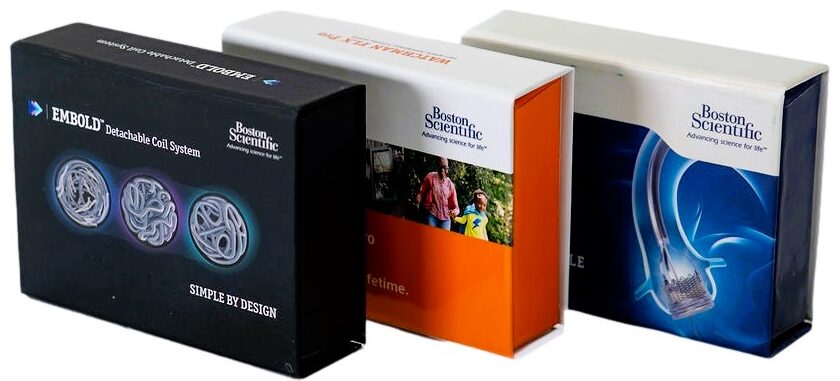
Marketing kits for medical and pharmaceutical brands are a different conversation entirely. A rep leave-behind kit, a sample program box, or a physician outreach package does not contain the product and carries none of the sterile barrier or child-resistant closure requirements that govern primary and secondary packaging. That opens up the full range of materials: rigid setup boxes with premium interiors, custom folding cartons, foam-lined presentation cases, and branded inserts. The packaging spec here is driven by brand positioning and audience impression, the same considerations that guide cosmetics or luxury consumer goods. For medical companies that spend most of their time navigating compliance, marketing kits are often the one packaging program where the creative brief can actually lead.



Cosmetics and Beauty Packaging
Cosmetics packaging is where brand premium and functional performance meet, and the tension between them is real. A prestige skincare brand and a value drugstore brand might package a structurally identical product in completely different ways based on where perceived quality sits in the purchase decision.
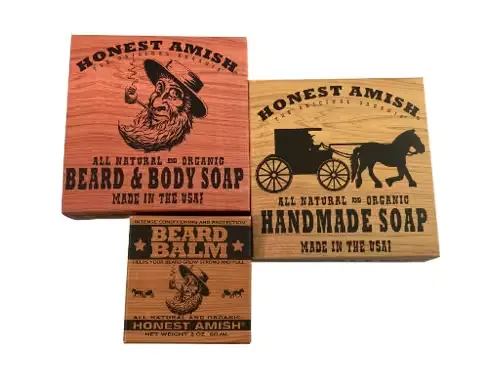
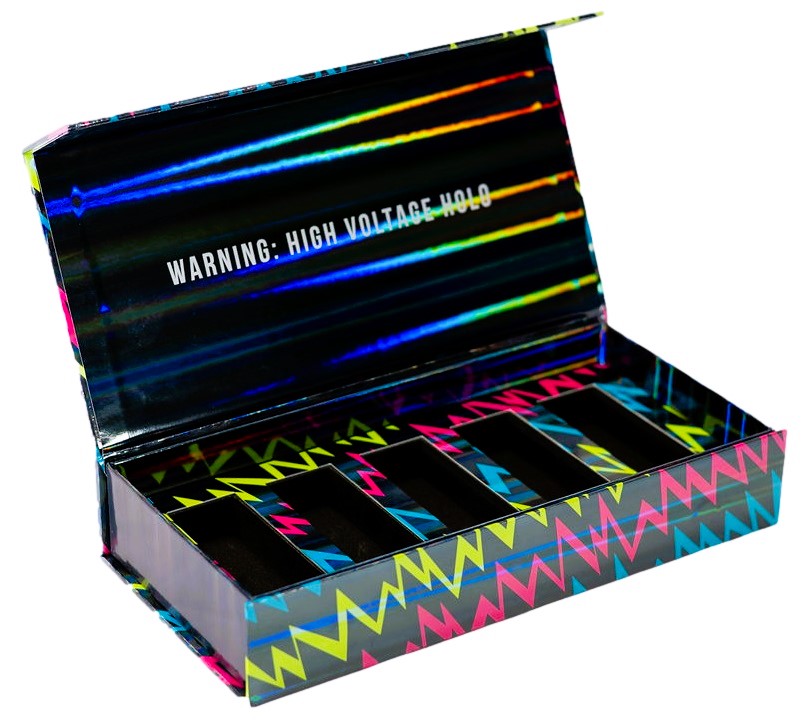
For premium and luxury cosmetics, rigid setup boxes are the dominant primary packaging structure. They often utilize thicker material, special finishes, and magnetic closures. These are part of the consumer experience and affect structural cost significantly. Interior finishing with die-cut foam inserts or velvet flocking completes the presentation.
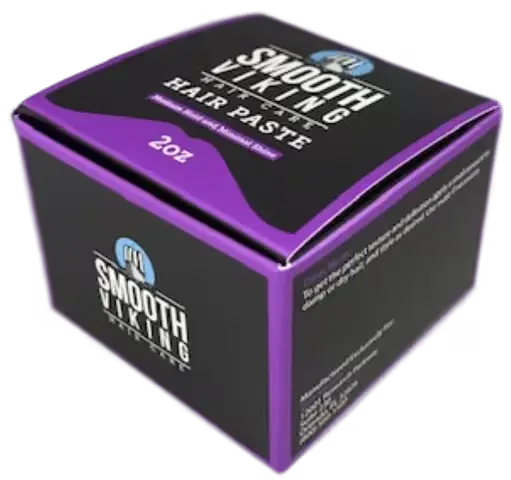
Mid-market cosmetics packaging leans toward folding cartons with premium coatings: soft-touch aqueous coating, spot UV varnish, and foil stamping. An SBS folding carton with soft-touch coating and a spot UV logo reads as premium at a fraction of the cost of a rigid setup box. The tradeoff is durability. A folding carton collapses; a rigid box does not.
Custom labels on bottles, jars, and tubes complete most cosmetics packaging projects. Label substrates for cosmetics typically use white film or clear film (for a no-label look) with gloss or matte finish.

Ecommerce Packaging
Ecommerce packaging has a different set of constraints than retail packaging. There is no shelf. The package has to survive the distribution environment while trying to create a brand impression when the customer opens it, not before. Those two requirements often pull in different directions.
For product protection, corrugated is the baseline. The right flute profile and board grade depend on product weight and fragility. A B-flute single-wall box handles most products under 65 pounds when spec’d to the correct ECT rating. Over-specifying to BC double-wall is common and usually unnecessary, adding cost without improving protection for typical consumer product weights. Under-specifying, using E-flute mailers for products that need real cushioning, is also common and shows up in damage claims.
Dimensional weight is a real cost in ecommerce. Right-sizing a corrugated box to fit the product reduces void fill, lowers the dimensional weight charge from carriers, and uses less material. For many programs, right-sizing is the single highest-return packaging change available.
For brands that want the unboxing experience to carry brand equity, there are many ways to achieve this. One idea could be printing the inside of the corrugated shipper so when the customer opens the box they are hit with full color.
For ecommerce brands shipping smaller items, flexible mailers, poly mailers with recycled content, or padded kraft mailers, are an alternative to corrugated when the product doesn’t require rigid protection. The material and dimensional weight savings are significant. The tradeoff is protection, which only matters if the product actually needs rigid support to survive transit.
Making the Final Call
Most packaging material decisions come down to three questions. What does this product need to survive distribution intact? What does the customer need to see when they receive or open it? What compliance requirements are non-negotiable? The answers to those three questions usually eliminate most options and make the right material obvious.
Knowing what packaging material is best for your product gets easier once those three questions have real answers. The cases where packaging material choice goes wrong are almost always cases where one of those questions was never asked. Cosmetics brands that spec folding cartons for ecommerce without considering drop survival. Food brands that choose recycled board without checking barrier performance. Medical packaging programs that start with a preferred aesthetic and work backward to compliance instead of the other way around.
If you are working through a material decision for a specific product and want a second opinion on the spec, talk to PAX Solutions. We work across corrugated, folding cartons, rigid boxes, flexible packaging, thermoforms, foam inserts, and labels, which means the recommendation starts from what the application needs, not from what category we happen to sell.